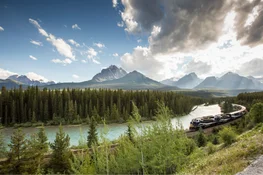
Canadian Pacific Railway

By
Published Feb 19, 2026
21 min read

The Canadian Pacific Railway (CPR) is a historic train line that connects Canada from coast to coast, established over 130 years ago, offering travellers a scenic journey through the Canadian Rockies and sweeping prairie fields. The Canadian Pacific Railroad became a symbol of Canada’s unity, bridging the eastern and western provinces, and was built between 1881 and 1886. There are several ways to experience Canadian Pacific train routes. Passengers travel through Canada’s stunning landscapes onboard VIA Rail or Rocky Mountaineer trains, enjoy gourmet meals, and opportunities to spot wildlife. The experts at Canadian Train Vacations by Fresh Tracks Canada specialize in unforgettable train trips, focusing solely on travel in Canada since 1996. Travellers work with local experts to create personalized itineraries, selecting the perfect tours, hotels, and train services to suit their needs, ensuring a tailored Canadian Pacific Railway route vacation.

Canadian Pacific Railway

What are the histories and timelines of the Canadian Pacific Railway?

The histories and timelines of the Canadian Pacific Railway are listed below.

  • 1867 - Confederation of Canada: Canada’s confederation in July 1867 (between Nova Scotia, New Brunswick, Ontario, and Quebec) created the need for a railway to connect provinces across the country. Manitoba joined the confederation in 1870. 
  • 1871 - British Columbia joins the confederation: British Columbia enters the new confederation and requests a transcontinental railway be built within 10 years. It would not be cheap, but Prime Minister John A. MacDonald sees the value in connecting the nation from the Atlantic to the Pacific. 
  • 1873 - Production stalls: John A. MacDonald resigns due to the Pacific Scandal. Production stalls after Alexander Mackenzie takes power. He believes the railway is a waste of money, but BC threatens to secede if it’s not built.
  • 1873-1878 - Battle of the routes: This time is known as the “Battle of the Routes”. There were arguments over what the best route would be through the mountainous terrain of Alberta and British Columbia. 
  • 1878 - MacDonald returns: John A. MacDonald is back in power, and the Canadian Pacific Railway is now a top priority for the country.
  • 1881 - Construction begins: The CPR’s construction started, spearheaded by Sir William Van Horne, marking the beginning of one of the most ambitious infrastructure projects in Canadian history.
  • 1885 - Completion of the transcontinental railway: The Canadian Pacific Railway (CPR) was completed with the driving of the ‘Last Spike’ at Craigellachie, British Columbia, effectively linking the country from east to west.
  • 1901 - The ‘Royal Train’ introduced: The Royal Train, one of the CPR's most iconic services, was introduced for royal visits, symbolizing the railway's significance to Canadian national pride.
  • 1940s - Wartime contributions: The CPR played a critical role in moving troops, war materials, and goods across Canada during World War II, helping support the war effort.
  • 1950s - Passenger service decline: The CPR’s passenger service began to decline with the rise of air travel and automobiles, leading to a shift toward freight services.
  • 2000s - Strategic focus: CPR continued to innovate with technology in the 2000s, improving its freight network and becoming one of the leading freight railway companies in North America.
The last spike is driven into the Canadian Pacific Railway

The last spike is driven into the Canadian Pacific Railway.

What are the Canadian Pacific Railway routes and maps?

The Canadian Pacific Railway routes and maps feature Rocky Mountaineer (Vancouver to the Rockies) and The Canadian train (Vancouver to Toronto.) Each iconic route offers travellers unparalleled views of Canada's diverse landscapes, from the rugged Rocky Mountains to the expansive prairies and beautiful coastal regions. The maps for the routes highlight the vast network of tracks that connect major cities and natural landmarks, providing a smooth and scenic travel experience across the country. The Canadian Pacific Railway routes have long played a key role in shaping Canada's transportation infrastructure and continue to be a popular choice for travellers seeking an unforgettable journey through the heart of Canada.

Rocky Mountaineer, Vancouver to the Rockies

The Rocky Mountaineer offers a spectacular all-daylight train journey from Vancouver to the Canadian Rockies. The world-renowned luxury train experience takes passengers through some of the most breathtaking landscapes in Canada (towering mountains, pristine lakes, and expansive forests). The train follows three different routes between Vancouver and iconic destinations in the Rockies (Banff, Jasper, Lake Louise), showcasing the stunning beauty of the region, with exclusive views not accessible by other means of transport. Passengers travel in glass-dome coaches, enjoying panoramic windows, fine dining, and exceptional service throughout the journey Journeys include an overnight stay in Kamloops, Quesnel, or Whistler, depending on the route. Rocky Mountaineer runs from mid-April to mid-October. Rocky Mountaineer Trips are a popular choice for travellers looking to explore the natural wonders of the Canadian Rockies while experiencing a high level of luxury and relaxation.

Map of Rocky Mountaineer’s three train routes

The Canadian Train, Vancouver to Toronto

The Canadian train journey from Vancouver to Toronto offers a scenic and relaxing way to explore Canada. The iconic train route takes passengers across the vast and diverse landscapes of the country, from the stunning coastal views of Vancouver to the expansive plains of the prairies and the rugged Canadian Shield. Operating between Vancouver and Toronto, the train makes stops at major cities and small towns (including Winnipeg and Jasper) and passengers can travel the entire route or sections of it, depending on their destination. The Canadian train offers comfortable amenities, with spacious sleeper cabins, onboard meals, and glass-domed observation lounges that provide uninterrupted views of the beautiful Canadian scenery. Travelling aboard VIA Rail’s The Canadian train is an unforgettable experience, providing a unique way to discover Canada’s natural beauty. 
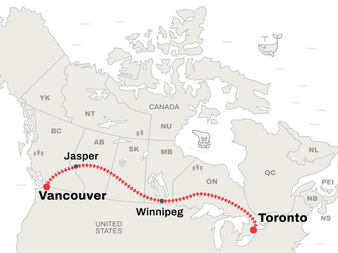
Route map of VIA Rail’s Canadian train from Vancouver to Toronto

Enrich your vacation with themed reading

Double Quote Icon

There are many great non-fiction books and novels about the Canadian Railway. Pierre Berton's The National Dream is an option for history buffs, while Suzanne Mayr's The Sleeping Car Porter is perfect for fans of literary fiction.

Blog Author - Athena McKenzie
Athena McKenzie
Content Manager

What are the best train experiences on the Canadian Pacific Railway?

The best train experiences on the Canadian Pacific Railway are the Rocky Mountaineer daylight train, VIA Rail train, and the sleeper train. Each journey provides travellers with exceptional comfort and stunning views of Canada's diverse landscapes. Each train experience offers unique features tailored to different preferences, from the luxury and scenic panoramas of the Rocky Mountaineer to the convenience and extensive coverage of VIA Rail. The Canadian sleeper train offers overnight accommodations, allowing passengers to rest in comfort while traversing vast distances.

Rocky Mountaineer, daylight train

The Rocky Mountaineer (a daylight train) offers an exceptional travel experience, providing passengers with breathtaking views of Canada’s most beautiful landscapes during daylight hours. The luxurious train journey focuses on delivering unparalleled scenic vistas, from the towering peaks of the Canadian Rockies to the serene lakes and expansive forests. The daylight train service ensures that passengers fully appreciate the natural beauty of their surroundings, as they travel in glass-dome coaches with large windows and open-air viewing platforms. Onboard hosts entertain passengers with engaging commentary about key landmarks, wildlife in the Canadian Rockies, and the history of the railway. The Rocky Mountaineer train offers a unique way to explore the region in comfort while enjoying world-class dining and exceptional service throughout the journey.
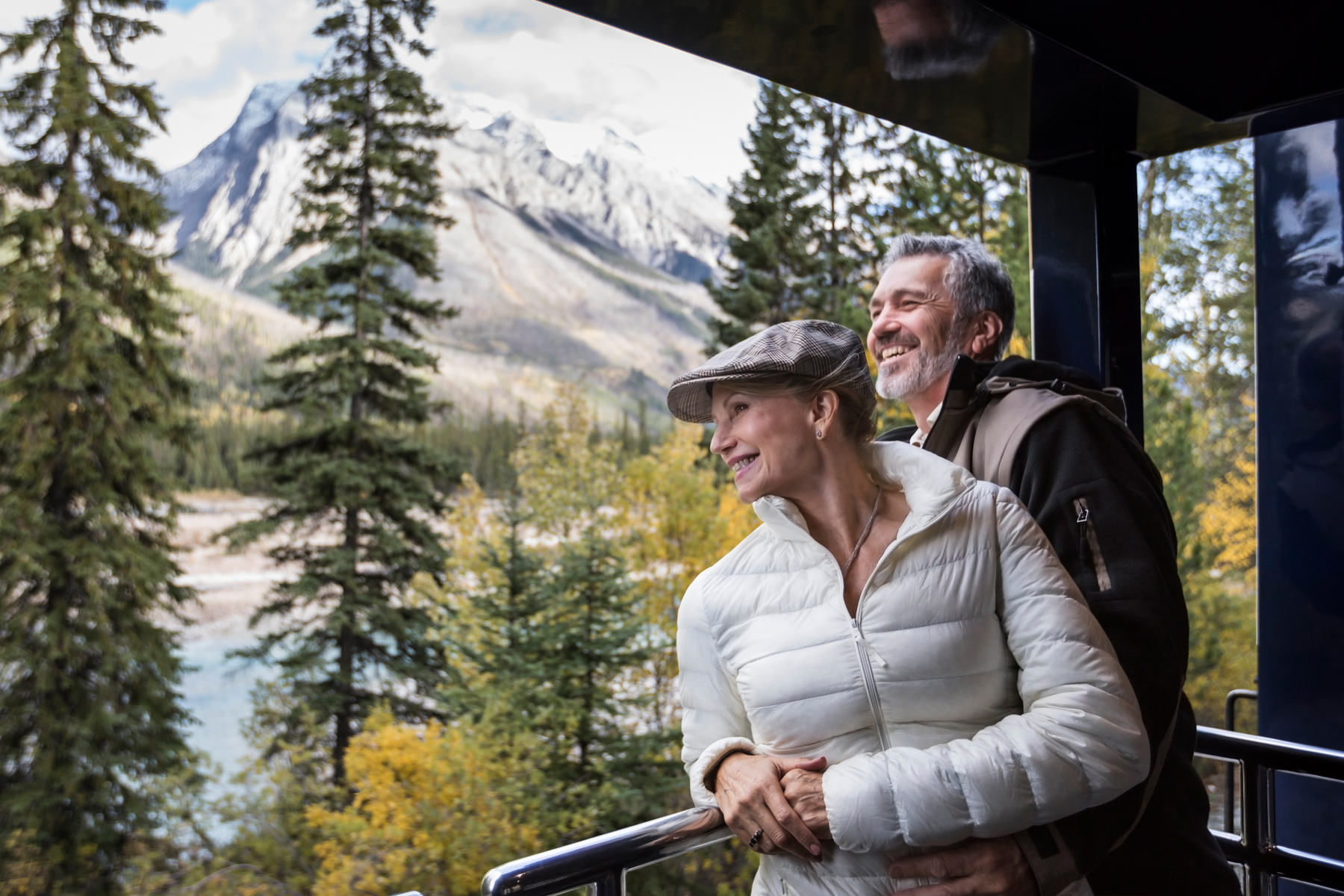
VIA Rail train

The VIA Rail train network connects Canada from coast to coast and offers a comfortable, scenic way to explore Canada’s diverse landscapes. VIA Rail is Canada’s national passenger rail service and provides travellers with transportation between major cities across the country, including Vancouver, Montreal, and Toronto. The train network offers a variety of train experiences and travel classes, from economy to luxury, ensuring there is something for every kind of traveller. Routes include The Canadian (Vancouver to Toronto), The Ocean (Montreal to Halifax), and the Corridor (Ontario and Quebec provinces). The VIA Rail trains provide travellers with a variety of onboard services, such as private sleeper cabins, multi-course meals, and observation lounges for viewing the scenery.

Sleeper train

The sleeper train offers a unique and comfortable way to travel overnight across Canada. The service allows passengers to rest in private cabins while enjoying scenic views throughout the journey (private sleeper cabins available in Sleeper Plus and Prestige classes only). VIA Rail operates three sleeper-train routes, The Canadian (Vancouver-Toronto), The Ocean (Montreal-Halifax) and the Winnipeg-Churchill train. The Canadian sleeper train is designed for long-distance travel, providing cozy accommodations, onboard meals, and panoramic viewing cars. It connects major cities like Vancouver, Winnipeg, and Toronto, making it an ideal choice for travellers looking to explore the country in a relaxed and convenient manner. The Canadian is a popular cross-country sleeper train, combining the convenience of overnight travel with the experience of waking up to new destinations.

What accessibility features does the Canadian Pacific Railway offer?

The accessibility features of the Canadian Pacific Railway are listed below. Accessibility features are provided by VIA Rail and Rocky Mountaineer, which operate passenger services on Canadian Pacific Railway lines. Features vary by operator and route.

VIA Rail 

  • Accessible train cars: Accessible train cars are available on select VIA Rail routes and may include wider doorways, grab bars, and accessible washrooms, depending on the train.
  • Wheelchair assistance: Wheelchair assistance is available at staffed stations for boarding and disembarkation when arranged in advance.
  • Accessible restrooms: Accessible washrooms are available on select trains and vary by route and equipment.
  • Priority seating: Designated seating may be available for passengers with mobility needs, depending on the train configuration.
  • Elevators and ramps: Some major stations offer elevators, ramps, or step-free access to platforms. Availability varies by station.
  • Support for service animals: Recognized service animals are permitted onboard in accordance with VIA Rail policy.
  • Pre-boarding assistance: Pre-boarding assistance can be arranged at the time of booking to support accessibility needs.

Rocky Mountaineer 

  • Accessible train cars: Some Rocky Mountaineer coaches are wheelchair accessible, and lifts or ramps are used to assist guests in boarding the train when requested at the time of booking. 
  • Wheelchair assistance: A lift or ramp can be provided to help guests using wheelchairs board the train when advance arrangements are made. 
  • Accessible restrooms: Accessible washrooms with wider doorways and grab bars are available on coaches assigned for guests with mobility requirements. 
  • Priority seating: Guests with mobility needs can be accommodated with appropriate seating assignments, depending on the service level and coach type. 
  • Elevators and ramps: Some GoldLeaf Service coaches offer elevators between levels for guests with limited mobility. Lifts or ramps support boarding where needed, but accessibility of motorcoach transfers varies by location. 
  • Support for service animals: Certified service animals are permitted onboard and must remain at the owner’s feet or in an approved nearby space that does not block aisles or exits. 
  • Pre-boarding assistance: Guests are encouraged to discuss mobility needs at the time of booking so suitability can be reviewed in advance.

The most popular Canadian Pacific Railway hotels are Fairmont Banff Springs and Fairmont Jasper Park Lodge. Each iconic hotel is located in one of the most beautiful areas of Canada, offering luxury accommodations and world-class service. Fairmont Banff Springs (Castle in the Rockies) provides breathtaking views of the Rocky Mountains. Fairmont Jasper Park Lodge offers a serene lakeside setting in the heart of Jasper National Park. Fairmont Banff Springs and Fairmont Jasper Park Lodge properties are known for their historic significance, exceptional amenities, and easy access to outdoor activities, making them top destinations for travellers seeking comfort and adventure along the Canadian Pacific Railway.

Fairmont Banff Springs

Banff, Alberta

Fairmont Banff Springs (known as the “Castle in the Rockies”) is a historic hotel located in the heart of Banff National Park. Fairmont Banff Springs is renowned for its Scottish baronial architecture and breathtaking mountain views. It opened in 1888 as a Canadian Pacific Railway hotel. The hotel offers a blend of luxury accommodations, fine dining, and world-class amenities, making it a premier destination for travellers seeking relaxation and memorable experiences in the Canadian Rockies.

Amenities:

  • Award-winning spa featuring a range of treatments and therapies to rejuvenate guests.
  • Championship golf course, offering stunning views and challenging play.
  • Multiple dining options with 6 restaurants serving a variety of cuisines, as well as bars and seasonal dining experiences.
  • Modern conference centre equipped with state-of-the-art facilities for meetings and events.
  • Recreational facilities include a 5-pin bowling alley, tennis courts, and an outdoor ice rink (seasonal).
  • Proximity to outdoor activities with easy access to hiking trails, skiing, and the town of Banff.

Dining Experiences:

  • 1888 Chop House: Award-winning steakhouse with Canadian Rocky Mountain cuisine.
  • Castello Ristorante: Authentic Italian dining and beautiful mountain views.
  • Vermilion Room: Regional Canadian cuisine featuring locally-sourced ingredients.

Special Features

  • Historic significance, designated as a National Historic Site of Canada in 1988.
  • Architectural design that combines elements of Scottish baronial and French château styles.
  • The property is ideally located at the base of Rundle Mountain, with sweeping views of the Bow Valley.
  • Convenient access to the town of Banff and numerous outdoor trails.
The Fairmont Banff Springs Hotel sits above a river, with trees and mountains behind

Fairmont Banff Springs

Jasper, Alberta

Fairmont Jasper Park Lodge is a renowned resort located in the stunning Jasper National Park, surrounded by the rugged beauty of the Canadian Rockies. The historic lodge offers a perfect blend of outdoor adventure and relaxation, known for its tranquil setting and attentive service. Guests are treated to spectacular views of the mountains, lakes, and forests, whether exploring the surrounding wilderness or unwinding in the lodge's cozy accommodations, making it a prime destination for nature lovers and travellers seeking an unforgettable getaway.

Amenities

  • Award-winning spa offering a variety of rejuvenating treatments and wellness services.
  • Championship golf course, recognized as one of Canada's top golf courses, set against a backdrop of breathtaking mountain scenery.
  • Multiple dining options, including a selection of restaurants and bars serving a variety of international and local cuisines.
  • Modern meeting and event facilities, ideal for conferences, weddings, and special gatherings.
  • Recreational activities such as canoeing, hiking, and wildlife watching are accessible from the lodge.
  • Heated outdoor pool and fitness center for guests looking to maintain their workout routines while enjoying the natural beauty of the area.

Dining Experiences

  • Orso Trattoria: Fine dining with views of Lac Beauvert, offering an Italian menu featuring locally sourced ingredients.
  • The Emerald Lounge: A cozy spot for casual meals, drinks, and a relaxed atmosphere with views of the surrounding forest.
  • The Great Hall Gastropub: Offering a cozy lodge dining experience, perfect for a hearty meal after a day of outdoor activities.

Special Features

  • Historic log-cabin style accommodations, offering a blend of rustic charm and modern comforts.
  • Scenic lakeside setting, with easy access to water activities such as kayaking and paddle boarding.
  • The rustic lodge has a rich history dating back to the 1920s.
  • Family-friendly resort, providing numerous activities for children, including a kids’ camp and outdoor experiences.
The swimming pool attached to the main lodge at Fairmont Jasper Park Lodge

Stay at a historic property

Double Quote Icon

In addition to riding along the original tracks, you can stay at an iconic railway hotel, such as the Fairmont Banff Springs or the Fairmont Royal York.

Louise Weiss
Director of Legendary Hospitality
Download our Brochures and Mini Guides

What are the places to visit along the Canadian Pacific Railway?

The places to visit along the Canadian Pacific Railway are Vancouver, Jasper, Banff, Whistler, Lake Louise, Winnipeg, and Toronto. Each destination offers its own unique charm, from the natural beauty of the Rocky Mountains and pristine lakes to vibrant urban centers and cultural landmarks. Travelling by train allows passengers to experience breathtaking landscapes, historic sites, and the rich diversity of Canadian culture, making each destination one of the most popular stops along the railway route.
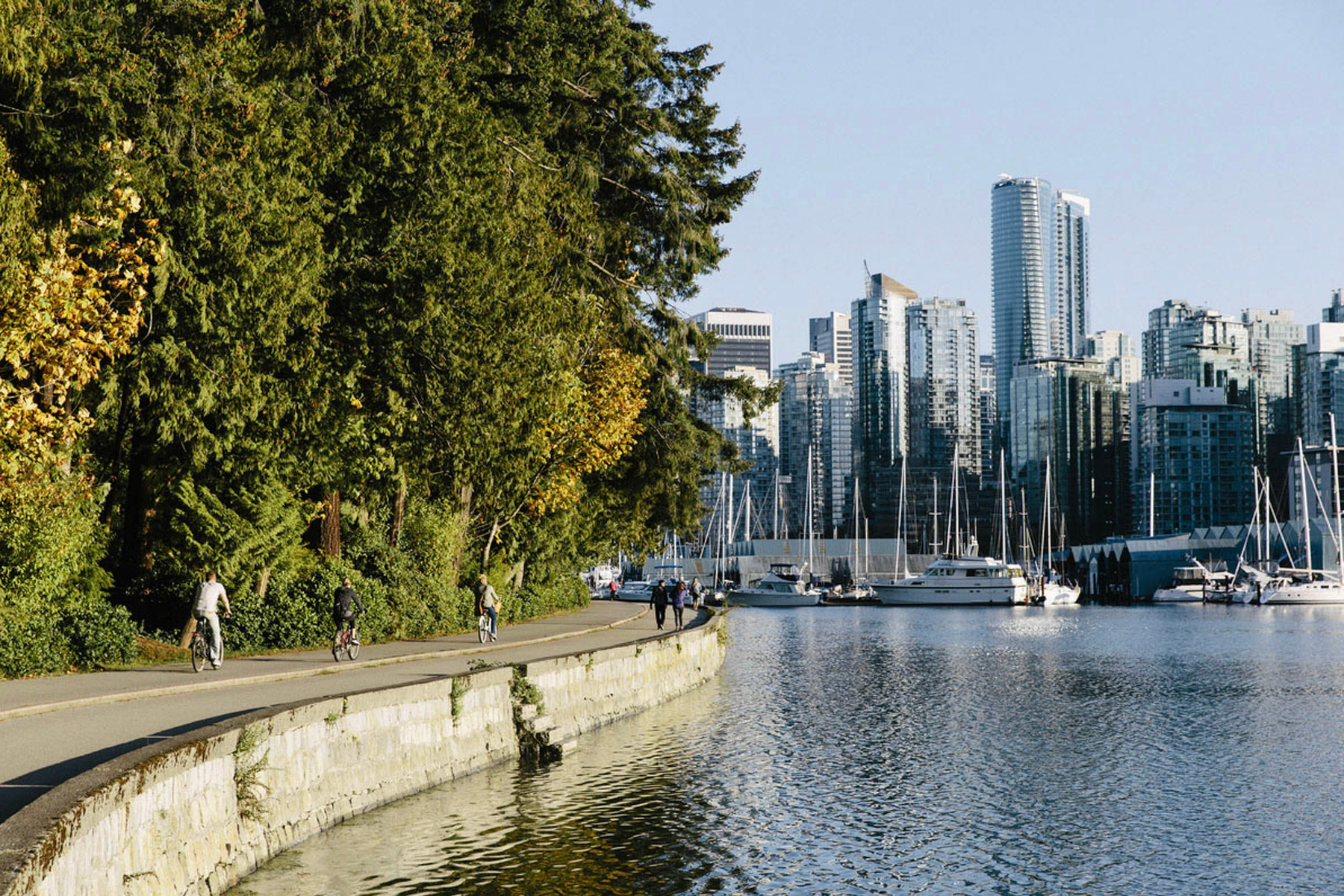
1. Vancouver, British Columbia

Vancouver is a coastal seaport city where natural beauty seamlessly blends with urban sophistication. The vibrant metropolis offers breathtaking scenery at every turn, nestled between the Pacific Ocean and the Coast Mountains. Vancouver is a dynamic hub for outdoor activities, fine dining, and arts, known for its mild climate and diverse culture. The city’s waterfront, parks, and gardens reflect the perfect harmony between nature and modern living, making it a top destination for travellers seeking relaxation and adventure. The best things to do in Vancouver include exploring Stanley Park, visiting Granville Island’s Public Market, and enjoying the Capilano Suspension Bridge.

Why Vancouver is considered one of the best places to visit along the Canadian Pacific Railway?
Vancouver is considered one of the best places to visit along the Canadian Pacific Railway because of its stunning landscapes and accessibility. VIA Rail’s scenic route through the Canadian Rockies offers panoramic views of pristine wilderness, towering mountains, and turquoise lakes, making the journey to Vancouver an unforgettable experience. The train ride leads passengers from majestic peaks to the bustling coastal city, offering a unique perspective of wilderness and urban charm. Vancouver’s scenic beauty, paired with its cultural offerings, makes it a prime destination for train travellers. Both Rocky Mountaineer and VIA Rail trains depart and arrive in Vancouver, so it is often the first or last destination on a Canadian train vacation.

Things to do in Vancouver

  • Explore Stanley Park and follow the seawall for scenic views of the ocean while being surrounded by lush rainforest.
  • Visit Granville Island and enjoy browsing artisan shops, markets, and food stalls in one of Vancouver’s most famous cultural hubs.
  • Walk across the 137-metre-long Capilano Suspension Bridge and enjoy breathtaking views of the forest canopy and the Capilano River.
  • Stroll through Gastown and Yaletown and experience a mix of historic charm, boutiques, cafés, and modern city life.
  • Enjoy Pacific seafood and dine at restaurants serving local cuisine accompanied by beautiful oceanfront views.

2. Jasper, Alberta

Jasper is a beautiful town located in the heart of Jasper National Park, a United Nations Educational, Scientific and Cultural Organization (UNESCO) World Heritage site in the Canadian Rockies. Jasper offers a serene escape surrounded by towering mountains, dense forests, and crystal-clear lakes known for their stunning natural beauty. The town is a popular destination for outdoor enthusiasts, offering activities like hiking, wildlife viewing, and stargazing under one of the world’s largest dark sky preserves. The best things to do in Jasper include exploring Maligne Canyon and Maligne Lake, taking a scenic drive on the Icefields Parkway, and enjoying the world-class stargazing opportunities. Jasper’s peaceful atmosphere, combined with its breathtaking scenery, makes it a prime destination for nature lovers and outdoor adventure seekers.

Why Jasper is considered one of the best places to visit along the Canadian Pacific Railway?
Jasper is considered one of the best places to visit along the Canadian Pacific Railway because of its unparalleled access to the Canadian Rockies and its serene atmosphere. The train journey offers scenic views of lush forests, cascading waterfalls, and majestic mountains before arriving at Jasper, a place that feels like a hidden gem nestled within nature’s beauty. The town’s position within Jasper National Park ensures that visitors enjoy the most stunning outdoor landscapes, making it an essential stop for travellers seeking adventure and tranquillity.

Best things to do in Jasper

  • Hike the Maligne Canyon and explore one of Jasper National Park’s most remarkable natural landmarks, featuring deep limestone gorges and cascading waterfalls. Or cruise across Maligne Lake to Spirit Island, one of the most photographed spots in the Rockies.
  • Take a scenic drive on the Icefields Parkway and travel along one of the world’s most beautiful routes with striking views of glaciers, turquoise lakes, and towering peaks.
  • Visit the Jasper SkyTram and ascend to the summit of Whistler’s Mountain for sweeping panoramic views of Jasper National Park and the surrounding mountain ranges.
  • Enjoy wildlife viewing in Jasper National Park and observe animals including elk, bighorn sheep, and bears roaming freely in their natural habitats.
  • Experience stargazing in Jasper and witness the brilliance of the night sky in one of the world’s largest dark sky preserves.

3. Banff, Alberta

Banff is a world-renowned resort town located in the heart of Banff National Park, one of Canada’s most celebrated natural landscapes. Banff is known for its stunning mountain scenery, turquoise lakes, and an abundance of wildlife nestled in the Canadian Rockies. The town offers a range of outdoor activities year-round (skiing, hiking, and canoeing). The best things to do in Banff include visiting Lake Louise, taking the Banff Gondola, and exploring Banff Avenue. Banff is a hub for high-end hotels, fine dining, and unique cultural experiences, making it a popular destination for adventure seekers and travellers looking to relax in a breathtaking environment.

Why Banff is considered one of the best places to visit along the Canadian Pacific Railway?
Banff is considered one of the best places to visit along the Canadian Pacific Railway because of its location within the Canadian Rockies and its proximity to the iconic destinations of the region. The scenic train route offers travellers the chance to view the striking landscapes that surround Banff, including majestic peaks, dense forests, and clear alpine lakes. Arriving by train provides a relaxed and scenic way to experience the natural beauty of the area, making Banff an unforgettable stop on any railway journey through the Canadian Rockies.

Best things to do in Banff

  • Visit Lake Louise and admire its striking turquoise waters surrounded by towering snow-capped peaks while walking along scenic lakeside trails.
  • Take the Banff Gondola and ascend Sulphur Mountain to enjoy panoramic views of Banff town and the surrounding Rocky Mountains.
  • Explore Banff Avenue and stroll through the vibrant downtown filled with boutiques, art galleries, and restaurants offering local specialties.
  • Enjoy wildlife viewing in Banff National Park and observe animals such as elk, bighorn sheep, and bears in their natural environment.
  • Ski at Mount Norquay and experience exceptional slopes and snowboarding opportunities at one of Banff’s premier winter resorts.

4. Whistler, British Columbia

Whistler is a premier resort town located in the Coast Mountains of British Columbia, renowned for its world-class ski slopes and vibrant year-round activities. Whistler is one of North America's top ski destinations, attracting outdoor enthusiasts from all over the world. The resort offers a range of activities (mountain biking, hiking, golfing, and zip-lining) in addition to skiing and snowboarding. The best things to do in Whistler include skiing on Whistler Blackcomb, exploring the Whistler Village, and riding the Peak 2 Peak Gondola. The village features a variety of luxury accommodations, dining options, and entertainment, making it a popular spot for adventure seekers and travellers looking to unwind in a stunning alpine setting.

Why Whistler is considered one of the best places to visit along the Canadian Pacific Railway?
Whistler is considered one of the best places to visit along the Canadian Pacific Railway because of its stunning alpine views and easy access to outdoor adventures. On the Rocky Mountaineer Rainforest to Gold Rush route, passengers travel from Vancouver to Jasper via Whistler and Quesnel. Passengers enjoy the breathtaking landscapes of the Pacific Coast and the rugged mountains of Whistler and BC before arriving in the Canadian Rockies. The combination of a relaxing train journey and a destination known for its outdoor activities makes Whistler an ideal stop for travellers seeking a mix of adventure and natural beauty.

Best things to do in Whistler

  • Go skiing and snowboarding on Whistler Blackcomb and experience some of North America’s finest conditions with diverse terrain and plentiful snow.
  • Explore Whistler Village and wander through the pedestrian-friendly area filled with boutique shops, restaurants, and art galleries.
  • Ride mountain bikes on the Whistler Mountain trails and enjoy world-renowned routes suited for every skill level during the summer season.
  • Take a ride on the Peak 2 Peak Gondola and witness breathtaking panoramic views of Whistler and Blackcomb Mountains. The Peak 2 Peak is the world’s longest continuous lift system (connecting 3 gondolas). 
  • Hike in Garibaldi Provincial Park and follow scenic trails leading to alpine meadows and the striking turquoise waters of Garibaldi Lake.

5. Lake Louise, Alberta

Lake Louise is a stunning glacier-fed lake located in Banff National Park, Alberta, surrounded by the majestic peaks of the Canadian Rockies. Lake Louise is one of Canada’s most iconic natural attractions, known for its striking turquoise waters. Visitors flock to Lake Louise year-round to experience its breathtaking scenery, whether for skiing in the winter, hiking in the summer, or simply enjoying the view from the Fairmont Chateau Lake Louise. The best things to do in Lake Louise include hiking the Lake Agnes Trail, skiing at Lake Louise Ski Resort, and canoeing on the lake's pristine waters. The surrounding area offers a variety of outdoor activities, including wildlife watching and exploring the nearby Moraine Lake (seasonal access), making it a prime destination for nature lovers.

Why Lake Louise is considered One of the Best Places to Visit Along the Canadian Pacific Railway?
Lake Louise is considered one of the best places to visit along the Canadian Pacific Railway because of its dramatic alpine beauty and access to the spectacular outdoor adventures in Canada. Rocky Mountaineer’s scenic First Passage to the West route provides passengers with a beautiful journey that leads to this world-renowned destination. Travellers are greeted with unforgettable views of crystal-clear waters set against snow-capped peaks upon arrival at Lake Louise. The combination of stunning natural landscapes and convenient rail access makes Lake Louise an essential stop for visitors exploring the Canadian Rockies by train.

Best things to do in Lake Louise

  • Visit Lake Louise and admire the breathtaking turquoise waters framed by towering mountain peaks and the Victoria Glacier.
  • Hike the Lake Agnes Trail and enjoy a rewarding ascent that offers panoramic views of Lake Louise and a visit to the charming Lake Agnes Tea House.
  • Ski at Lake Louise Ski Resort and experience premier winter sports across diverse terrain that attracts visitors from around the world.
  • Canoe on Lake Louise during the summer months and paddle across the crystal-clear waters while taking in the magnificent alpine scenery.
  • Explore Moraine Lake, located a short distance from Lake Louise, and appreciate its brilliant blue waters and dramatic mountain backdrop.

6. Winnipeg, Manitoba

Winnipeg is a city rich in culture and history, located at the confluence of the Red and Assiniboine Rivers. Winnipeg is a dynamic urban center surrounded by beautiful natural landscapes, known for its diverse arts scene, vibrant cultural festivals, and historical landmarks. The city is home to an array of museums, theatres, and galleries, surrounded by stunning parks and outdoor activities. The best things to do in Winnipeg include visiting The Forks, touring the Canadian Museum for Human Rights, and exploring Assiniboine Park. Winnipeg offers a unique blend of urban life and natural beauty, from its iconic architecture to its rich Indigenous heritage, making it a must-visit destination in the heart of Canada.

Why Winnipeg is considered one of the best places to visit along the Canadian Pacific Railway?
Winnipeg is considered one of the best places to visit along the Canadian Pacific Railway because of its central location and access to cultural and natural experiences. VIA Rail’s The Canadian route (Vancouver-Toronto) offers passengers the opportunity to explore the heart of Canada while travelling through the Prairies, with the option to stop in Winnipeg for its cultural heritage, historic architecture, and vibrant arts scene. The train ride to Winnipeg allows visitors to witness diverse landscapes before arriving in the city, where travellers explore unique museums, theatres, and outdoor activities.

Best things to do in Winnipeg

  • Visit The Forks and experience the historic site where the Red and Assiniboine Rivers meet, offering vibrant shops, restaurants, and outdoor markets.
  • Tour the Canadian Museum for Human Rights and explore its powerful exhibits dedicated to global and Canadian human rights within an architectural landmark.
  • Stroll through Assiniboine Park and enjoy its scenic landscapes, beautifully designed gardens, and the renowned Assiniboine Park Zoo.
  • Explore the Manitoba Museum and discover engaging exhibits that highlight Manitoba’s natural history, Indigenous culture, and scientific achievements.
  • Attend the Winnipeg Folk Festival (held annually in July) and enjoy one of Canada’s largest folk music celebrations featuring performances by local and international artists.

7. Toronto, Ontario

Toronto is Canada’s largest and most cosmopolitan city. Toronto is known for its impressive skyline, diverse population, and cultural vibrancy, and is situated on the shores of Lake Ontario. The city is a major economic hub, home to iconic landmarks like the CN Tower, the Royal Ontario Museum, and the Toronto Islands. The best things to do in Toronto include visiting the CN Tower, exploring the Royal Ontario Museum, and enjoying the Toronto Islands. Toronto is a global city offering something for every traveller with a rich array of cultural festivals, restaurants, and entertainment options. Its blend of modern urban life with beautiful waterfront parks and natural spaces makes it one of the most exciting cities to visit in Canada.

Why Toronto is considered one of the best places to visit along the Canadian Pacific Railway?
Toronto is considered one of the best places to visit along the Canadian Pacific Railway because of its central role in Canada’s economy, culture, and history. VIA Rail’s The Canadian and Corridor routes (Vancouver-Toronto, Toronto-Quebec City) connect passengers to Toronto, with The Canadian offering expansive views of the Canadian landscape while heading to one of the country’s most dynamic and diverse cities. The scenic train journey provides the perfect introduction to Toronto, where travellers explore world-class museums, stunning parks, and unique neighbourhoods. Toronto offers it all, whether seeking culture, cuisine, or urban experiences.

Best Things To Do in Toronto

  • Visit the CN Tower and take in sweeping panoramic views from one of the tallest freestanding structures in the world.
  • Explore the Royal Ontario Museum and discover extensive collections of art, culture, and natural history housed in a world-class institution.
  • Stroll through High Park and enjoy its blend of natural beauty, gardens, trails, and recreational spaces in Toronto’s largest public park.
  • Discover the Distillery District and wander through cobblestone streets lined with restored Victorian buildings, art galleries, boutiques, and restaurants.
  • Enjoy the Toronto Islands by taking a ferry ride for a day of relaxation, hiking, or picnicking while admiring the skyline views of downtown Toronto.

The popular Canadian Pacific Railway tours are Essential Rockies by Train, Across Canada by Train, and Canada Coast to Coast by Train. Each tour offers travellers a unique opportunity to experience Canada’s vast landscapes and diverse regions from the comfort of iconic trains, including VIA Rail and Rocky Mountaineer. Each train journey provides a breathtaking journey through some of the country’s best destinations, from the majestic Canadian Rockies to the vibrant cities and the expansive prairies. Passengers enjoy stunning scenery, attentive onboard service, elevated dining experiences, and comfortable accommodations, making these train trips the perfect way to explore the heart of Canada.

Essential Rockies by Train ⭐ 4.9

  • 6 Days and 5 Nights
  • From 5,990 CAD per person

Experience the breathtaking Canadian Rockies in just 6 days. Start with a spectacular Rocky Mountaineer sightseeing journey from Vancouver to Lake Louise, then enjoy guided excursions in Banff National Park.

Across Canada by Train ⭐ 4.9

  • 13 Days and 12 Nights
  • From 13,180 CAD per person

Embark on an extraordinary 13-day adventure across Canada, featuring the iconic VIA Rail sleeper train and the luxurious Rocky Mountaineer train. Experience the breathtaking beauty of the Canadian Rockies, the vast prairies, and vibrant cities like Toronto and Vancouver.

Canada Coast to Coast by Train ⭐ 5.0

  • 20 Days and 19 Nights
  • From 17,250 CAD per person

Enjoy an unforgettable 20-day journey across Canada aboard VIA Rail's The Ocean, The Canadian and the Corridor trains, as well as the Rocky Mountaineer all-daylight sightseeing train. The cross-country adventure spans 3,980 miles, showcasing diverse landscapes, cultural gems, and breathtaking natural beauty.

Our customers express their admiration for the stunning landscapes, exceptional service, and comfortable accommodations offered on the train. Travellers emphasize the ease of booking, the professional staff, and the unforgettable views of the Canadian Rockies. Each testimonial provides valuable insight into the quality and value of the trip, helping future passengers make informed decisions about their own journeys.

Why book with Canadian Train Vacations?

Book with Canadian Train Vacations for the reasons listed below.

  • Comprehensive booking support: Every aspect of the journey is arranged in advance (VIA Rail and Rocky Mountaineer tickets, hotel accommodations, guided tours, curated activities, selected meals, and private transfers). The goal is to eliminate logistical stress during travel.
  • Independent travel with local guidance: Travellers follow a customized itinerary created through expert consultation. Preferences are taken into account while offering the freedom of self-paced travel supported by ongoing professional assistance.
  • Reliable assistance throughout the journey: Detailed information about each destination is provided before arrival. A dedicated support team remains available by phone during the entire stay in Canada, ensuring all concerns are addressed promptly.

The Canadian Pacific Railway FAQs

Why was the Canadian Pacific Railway built?

The Canadian Pacific Railway was built because there was a need to unite the country from east to west, and provide a vital transportation link for people, goods, and resources across the nation. The monumental project aimed to strengthen political and economic ties between the eastern provinces and the western territories, ensuring a unified country. The completion of the railway in 1885 was a significant achievement, overcoming numerous challenges posed by Canada’s diverse and rugged landscape. Its construction played an important role in the settlement and development of Western Canada, opening up new opportunities for trade, immigration, and economic growth.

Who built the Canadian Pacific Railway?

The Canadian Pacific Railway was built by a consortium of Canadian and international financiers and contractors. The project was overseen by William Cornelius Van Horne, an American railway executive hired in 1882 to expedite the construction. George Stephen, James J. Hill, Duncan McIntyre, Richard B. Angus, and John Stewart Kennedy were key figures involved in the development. Donald A. Smith and Norman Kittson were involved as significant financial backers. The construction of the railway through the challenging terrain of British Columbia was managed by American contractor Andrew Onderdonk, who employed a workforce of 17,000 Chinese labourers to complete some of the most difficult sections. The completion of the railway in 1885 united Eastern and Western Canada, playing a pivotal role in the nation’s development.

When did the Canadian Pacific Railway Start and End?

The construction of the Canadian Pacific Railway started in 1881 and ended in 1885, with the final spike driven at Craigellachie, British Columbia, on November 7, 1885. Regular transcontinental service began in 1886. The project marked the completion of Canada's first transcontinental railway, connecting Eastern Canada to British Columbia. The construction of the railway was a monumental achievement, overcoming numerous challenges posed by Canada’s diverse and rugged landscape. Its completion played a significant role in the settlement and development of Western Canada, creating new opportunities for trade, immigration, and economic growth.

What did the Canadian Pacific Railway symbolize?

The Canadian Pacific Railway symbolized the unity of Canada as a nation, connecting the country’s eastern and western provinces. Its construction played a significant role in Canadian nation-building, overcoming geographic barriers and fostering a sense of national identity. The railway helped unify diverse regions of the country, promoting economic growth by enabling the efficient movement of goods and people. It accelerated Canada’s industrial development, supporting the growth of new industries. The collaboration between diverse labour forces, including Chinese and European workers, highlighted both the scale of effort and the significant inequalities faced during construction. The Canadian Pacific Railway symbolizes Canada’s achievement, progress, and the overcoming of challenges in becoming a unified and industrialized nation.

Where does the Canadian Pacific Railway start and end?

The Canadian Pacific Railway started in Montreal, Quebec, and ended in Port Boody, British Columbia, with a later extension to Vancouver. The transcontinental railway was constructed to unite Eastern and Western Canada, providing a vital transportation link for people and goods. The completion of the railway in 1885 played a significant role in connecting the eastern and western parts of the country, fostering economic growth and national unity. The Canadian Pacific Railway continues to operate as a major freight railway system, maintaining its role as a key link between eastern and western Canada.

How long is the Canadian Pacific Railway?

The Canadian Pacific Railway operates a rail network of approximately 20,000 kilometres (12,500 miles) across Canada and into the United States. The extensive network connects six Canadian provinces (British Columbia, Alberta, Saskatchewan, Manitoba, Ontario, and Quebec) and extends into several U.S. states such as Minnesota, Wisconsin, and Illinois. The railway’s reach encompasses major cities (Montreal, Toronto, Winnipeg, Calgary, Edmonton, and Vancouver), facilitating the movement of goods and passengers across vast distances. The CPR’s infrastructure includes various branches and secondary lines that serve urban centers and remote areas, highlighting its role in connecting diverse regions and supporting economic activities throughout North America.

How did the Canadian Pacific Railway impact Canada’s development?

The Canadian Pacific Railway impacted Canada's development by fostering economic growth, facilitating settlement, and promoting national unity. The Canadian Pacific Railway construction provided a vital transportation link between Eastern and Western Canada, allowing for the efficient movement of goods and people across the country. The connectivity helped integrate the diverse regions, enabling the exchange of resources and ideas. The Canadian Pacific Railway (CPR) played a significant role in the settlement of Western Canada, attracting immigrants from Europe and offering them access to fertile lands and opportunities. The railway helped establish communities and promote agriculture, particularly wheat farming, which became essential to Canada's economy.

What is the Canadian Transcontinental Railroad?

The Canadian transcontinental railroad is known as the Canadian Pacific Railway (CPR), (Canada’s first transcontinental railway) which was constructed between 1881 and 1885. The Canadian Transcontinental Railroad's purpose was to unite the eastern provinces with British Columbia, fulfilling a promise made during British Columbia's entry into the Canadian Confederation in 1871. The completion of the CPR symbolized the nation’s commitment to national unity and economic development. The railway traversed diverse and challenging terrains, including the Rocky Mountains and the vast prairies, spanning 4,900 kilometres from Montreal to Vancouver. The driving of the ‘Last Spike’ at Craigellachie, British Columbia, on November 7, 1885, marked the completion of Canada’s first transcontinental rail link. The CPR played a role in Canada’s economic expansion beyond connecting distant regions, promoting trade, settlement, and the development of industries along its route. The legacy of the Canadian transcontinental railroad endures as a symbol of the nation’s unity and progress.

What cities does the Canadian Pacific Railway pass through?

The cities the Canadian Pacific Railway passes through are listed below.

  • Halifax, Nova Scotia: Halifax has been connected to CPR-owned rail lines historically and serves as an important Atlantic port, but it is not the original eastern terminus of the Canadian Pacific Railway
  • Montreal, Quebec: Montreal is a major hub that connects various rail lines, acting as a gateway between eastern and western Canada, facilitating trade and transportation.
  • Toronto, Ontario: Toronto is Canada's largest city and a significant economic center, serving as a major point for rail connections and contributing to the movement of goods and people across the country.
  • Winnipeg, Manitoba: Winnipeg is located in central Canada, serving as a key point for rail connections and acting as a central hub linking eastern and western parts of the country.
  • Calgary, Alberta: Calgary is an important city in southern Alberta, near the Canadian Rockies. It connects the railway to regional lines and supports access to natural resources, including oil and gas.
  • Vancouver, British Columbia: Vancouver became the western terminus of the Canadian Pacific Railway shortly after completion, linking the railway to the Pacific Ocean and enabling international trade and commerce.

How does the Canadian Pacific Railway connect Eastern and Western Canada?

The Canadian Pacific Railway connects Eastern and Western Canada by providing a transcontinental rail network linking the Eastern Canadian provinces with the Pacific coast. The extensive railway system, completed in 1885, links major cities (Montreal, Toronto, Winnipeg, Calgary, and Vancouver). The CPR facilitates the movement of goods and people, playing an essential role in economic development and the integration of the country by traversing diverse terrains, including the Rocky Mountains and vast prairies. The railway has been a significant contributor to the settlement and growth of Western Canada, fostering trade, communication, and national unity.

Why was the Canadian Pacific Railway important for Canada?

The Canadian Pacific Railway was important for Canada because it unified the country, fostered economic growth, and facilitated settlement across its vast territories. The CPR connected Eastern Canada with British Columbia, fulfilling a promise made during British Columbia’s entry into the Confederation in 1871. Construction was completed in 1885. The connection helped solidify the nation’s territorial integrity and ensured the integration of Western Canada into the larger national framework. The railway spurred economic development by facilitating the movement of goods and resources, enabling agricultural products to reach markets domestically and internationally. The CPR played a significant role in the settlement of Western Canada, attracting immigrants and encouraging the development of new communities, which contributed to the expansion and prosperity of the country.

How did the Canadian Pacific Railway influence trade and migration?

The Canadian Pacific Railway influenced trade and migration by providing essential infrastructure that connected Eastern and Western Canada, facilitating the efficient movement of goods and people across the country. The railway linked Eastern Canada to the Pacific coast, enabling the transportation of agricultural products, natural resources, and manufactured goods, and was completed in 1885. The integration of regional economies helped Canada participate more actively in global trade. The CPR played a significant role in migration by making it easier for settlers from Europe to move westward. The availability of affordable travel options (colonist cars) encouraged settlement in Western Canada, where immigrants contributed to the development of agriculture and industry. The railway’s ability to connect different regions and support infrastructure growth shaped Canada’s economic and demographic landscape.

About the author: Athena McKenzie is the Content Manager at Fresh Tracks Canada. An experienced lifestyle journalist, she has written about travel, design, arts and entertainment. Her work has appeared in The Globe and Mail, Toronto Star, Zoomer Magazine, Elle Canada and... Read more